Acute and Chronic Pain Management
Written by: Dr. Popovitz.
Board-Certified Orthopedic Surgeon | Fellowship-Trained Sports Medicine, NYU Langone Medical Center | FAAOS
Co-Founder, NY Bone & Joint Specialists | Lenox Hill Hospital - Northwell Health
Recognized: New York Magazine Best Doctor | New York Times Super Doctor | IAOS Leading Physician of the World | IAOS Top Orthopedic Surgeon in New York
Date Published: July 24, 2018
Last Updated: November 1, 2018
Last Medically Reviewed: November 1, 2018
This page has been written and reviewed by a fellowship-trained, board-certified orthopedic surgeon with over 20 years of clinical experience. All clinical claims are supported by peer-reviewed literature and current AAOS and AOSSM guidelines. See References section below.
Book a consultation
Prompt Appointments Available
Upper East Side: 1198 Third Ave | Midtown: 425 Madison Ave
Surgery performed at Lenox Hill Hospital - Northwell Health
A trigger point is a highly-sensitive spot in a skeletal muscle that causes a great deal of pain, tenderness, and often a twitch response when pressure is applied. The trigger point is a group of muscle fibers that is pulled into a tight knot. This affects nerves in the area, radiating pain to other body parts.
SYMPTOMS
There is no definite formula to predict where the pain will spread, though it most often causes:
- Back pain
- Neck pain
- Pelvic Pain
- Shoulder pain
- Tension headaches
- Stiffness of joints – The trigger points cause contraction of the skeletal muscle, pulling on ligaments and tendons attached to the muscle, which in turn can put stress on the joint in the area.
CAUSES
Trigger points arise from a number of causes which can sometimes be unidentifiable. Recurring trigger points are most often the result of muscular disorders such as:
- Myofascial pain syndrome
Independent trigger points may arise due to:
- Postural changes
- Trauma from injury
- Chronic muscle strains
- Psychological distress that causes inflammation
- Other health issues such as smoking
DIAGNOSIS
Finding a trigger point requires the practiced hands of a professional physician. They are most often found in the skeletal muscles of the spine. The doctor will feel a hard nodule where the muscle is pulled tight, and can confirm the trigger point by compressing it, upon which the muscle will twitch or cause pain. Manual palpation is often enough to find these nodules, though ultrasound may be used if they are not so easily located.
THE INJECTION PROCEDURE
The most successful treatment of trigger point pain is injection. Upon locating the trigger point, a doctor will sanitize the skin and simply insert a needle directly into the area.
Most often a mixture of lidocaine and marcaine is injected into the muscle. These are local anesthetics that will numb the area immediately to reduce actual injection pain, and then relax the tight muscles of the nodule. In more severe cases, steroids may be used on the trigger point, though it is mostly avoided since repeated use can cause tissue shrinkage and damage.
For some trigger points, the doctor may try “dry needling,” for which no medication is administered. The insertion of the needle will relieve the tension of the muscle fibers, akin to the methods of acupuncture. Ideally, the trigger point should dissipate after one injection. This is usually true if the trigger point occurs independently because of trauma or from muscle movements that will be avoided in the future.
Trigger points occur more frequently when they are the result of myofascial pain syndrome (musculoskeletal disorders). Fortunately, these injections may be administered as often as needed, provided steroids are not used. When short term anesthetics are used, injections can be a monthly therapy.
AFTER THE INJECTION
Injections are minimally invasive and have little to no side effects. The patient may experience soreness or pain at the injection site, but it will dissipate after a few days and can be treated with ice or over the counter anti-inflammatory medication like ibuprofen.
_________________________________
EXPERIENCING PAIN? DO YOU HAVE AN INJURY?
Our Specialists are here to help.
Book an appointment with NYC’s best orthopedic specialists to discuss your condition. Fill out the form below and you will receive a call from our office within 5-10 minutes. We’ll book an appointment at a time and location that work for you, and send you a reminder by email.
Doctors Seeing Patients for Shoulder Conditions:
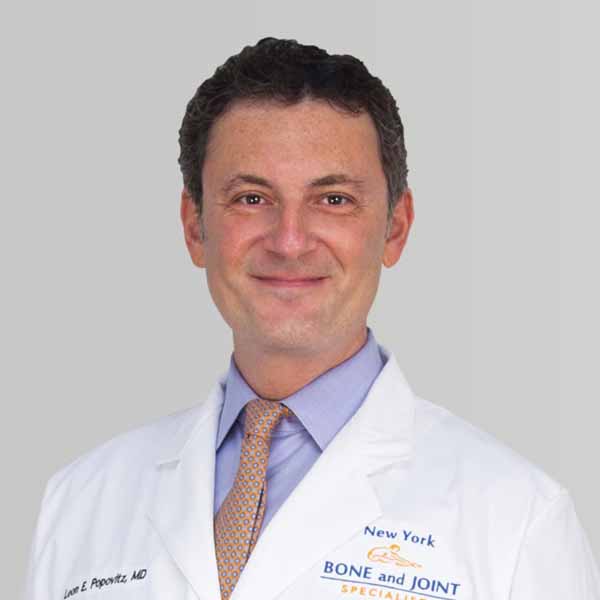






Medically Reviewed by Dr. Popovitz.
You can book your appointment with New York Bone & Joint online by submitting the appointment request form here:
Book an appointmentOur Locations
-

Upper East Side: Full Service Orthopedic Center & Walk-In
1198 3rd Avenue, Between 69th and 70th Street New York, NY 10021Physician appointments: Mon–Fri 9am–5:30pm, Sat 8:30am–4:30pm
Physical therapy: Mon–Fri 7am–7pm, Sat 8am–2pmPhone: (212) 759-4553 -

Orthopedic Doctor Midtown Manhattan NYC — New York Bone & Joint Specialists
425 Madison Ave, Suite 200 (second floor) New York, NY 10017 (corner of East 49th Street)Physician appointments: Mon–Fri 8:00 am–6:00 pm
Physical therapy: Mon–Fri 7 am–7 pm, Sat 8 am–2 pmPhone: (212) 759-4553 -

Orthopedic Doctor Upper East Side NYC — New York Bone & Joint Specialists
130 E 67th St New York, NY 10065Physician appointments: Mon–Fri 8:00am–6pm, Sat 8:30am–4:30pm
Physical therapy: Mon–Fri 7am–7pm, Sat 8am–2pmPhone: (212) 759-4553